





Introduction
Stress comes from modern routines and workloads and affects the physical and mental health of individuals. The human body reacts by exhibiting symptoms and deep tissue massage for stress relief has emerged as an effective natural remedy. Chronic stress leads to muscle tightening, reduced blood circulation, and elevated alertness in the nervous system. The body is often unaware of these phenomena. Deep tissue massage for stress relief focuses on specific muscle groups and uses slow and direct strokes to aid relaxation, blood circulation, and muscle relaxation. It is an efficient mental and physical stress coping mechanism.
Physical Signs of Stress
Most people will experience the physical symptoms of stress before the emotional symptoms. Stiff neck, tension headaches, and pain in the upper and lower back are typical symptoms of chronic stress. Stress related fatigue and lowered immunological defines are common symptoms in many individuals. These symptoms are the body's warning signals that it needs relief and recovery.
Stress can cause anxiety, trouble sleeping, and lack of focus. In the long term, stress can cause personal and work relationships to deteriorate.
What is Deep Tissue Massage?
Deep tissue massage is different than most massage types as it gets into the deeper ranges of the muscles and the connective tissue. For most types of massages, the goal is for the customer to feel relaxed and calm. For deep tissue massages, the goal is the release of muscle tension by applying slow and deep strokes. Deep tissue massages are most effective for those suffering from stress, injuries, and muscle stiffness.
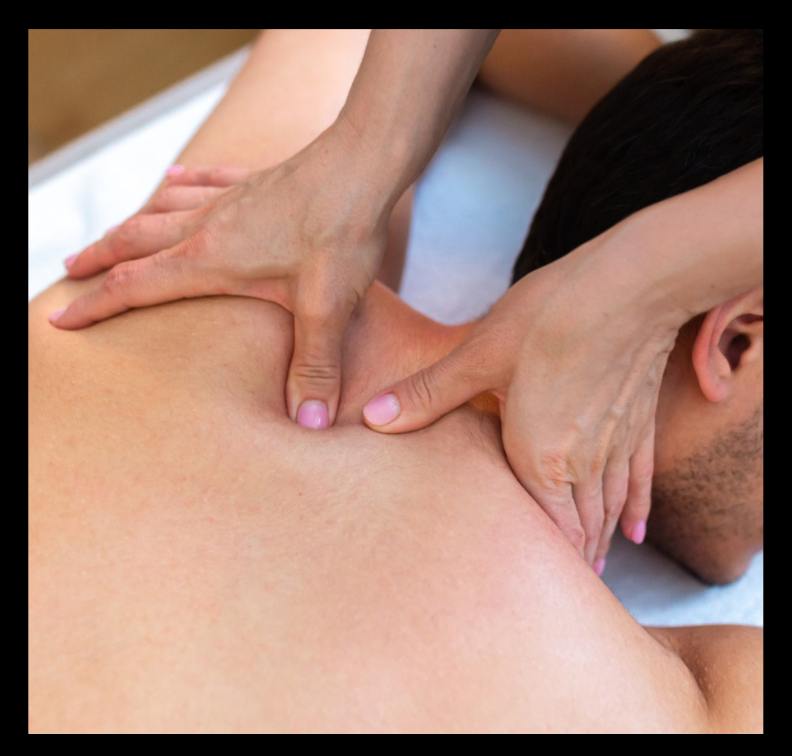
Areas of the body such as the thumbs, fingers, and elbows can be used to apply pressure for the purpose of massage. The aim of deep tissue massage is to resolve knots and adhesion that limit motion and create discomfort. Muscle knots can develop as a result of long contractions of muscle, poor posture, or stress.
The unique way deep tissue massage interacts with the nervous system is incredible. When the therapist massages the trigger points in the muscle, the brain interprets this as a trigger to relax. Your body will then shift from a stress causing sympathetic state to a relaxing parasympathetic state. This is a necessary shift for stress relief and healing to take place.
Most people believe that deep tissue massage is painful. This belief is far from true. While there may be some areas that require greater pressure, most professional therapists will tailor the pressure to the individual’s preference. This often results in feeling a profound greater balancing and lightness in the body.
Methods Employed in Deep Tissue Massage
There are a variety of methods that are employed by your therapist during deep tissue massage. These might include: slow stroke, friction, or even deep finger pressure. Each of these methods is intended to help with the pliability and flexibility of the tissues and to reach the muscles that are located in the deepest part of the body.
Difference Between Deep Tissue Massage and Swedish Massage
| Feature | Deep Tissue Massage | Swedish Massage |
|---|---|---|
| Pressure Level | Firm to intense | Light to medium |
| Purpose | Treat chronic tension | Relaxation and circulation |
| Target Area | Deep muscle layers | Surface muscles |
| Ideal For | Pain relief, stress reduction | General relaxation |
The Positive Impacts of Deep Tissue Massage on Stress
Deep tissue massage helps with stress on two levels: physical and mental. Tight muscles can restrict blood flow and trap metabolic processes within the tissue. Massage helps blood circulation and brings the stressed muscles the nutrients and oxygen they need.
Deep tissue massage also helps with the regulation of hormones. It has been shown that massage helps reduce the stress hormone cortisol by 30 percent as well as increases the feel-good hormones serotonin and dopamine. This is why people often feel mentally rejuvenated and relaxed after a massage.
Saving the best for last, massage helps increase the awareness of the body. Most of us suffer from stress and tension and often times we don't even know of it until we have a deep tissue massage. After the deep tissue massage, people tend to feel very relaxed and a state of relaxation.
Shedding Cortisol
Cortisol can be described as the stress hormone. If the body has high levels of cortisol for prolonged periods of time, the individual starts feeling fatigued, they begin to gain weight, they have problems sleeping and overall feel unwell. Deep tissue massage helps in the reduction of the levels of cortisol, thus bringing the body to a state of homeostasis.
Massage therapy is effective in increasing blood circulation in the attentive areas. Improved circulation means the muscles are able to receive more oxygen and nutrients, and as a result, help recover faster from stress and tension.
Deep Tissue Massage and its Health Benefits
When it comes to relaxation, deep tissue massage can help you short term, and can really improve you long term. It is really effective for stress management in a positive light.
Muscle tension and pain alleviation
If someone is under stress, they are likely to have some muscle tension. If someone is under stress for a period, the muscles will stay contracted including in rest. Breaking this cycle is easy with a deep tissue massage.
Quality rest
Stress does impact sleep, and someone who has deep tissue massage the stress is alleviated, muscle tension is absent and the rest period is going to improve, likely result in sleep quality improvement.
Flexibility and posture improvement
Deep tissue massage helps a person who suffers with poor posture, likely from being seated for a long period, in neck and back pain, improves flexibility, aligns the body, and improves posture.
Less Anxiety and Mental Exhaustion
Stress is harmful to both the body and the mind. One of the great benefits of massage therapy is the release of endorphins which ease anxiety and provide a positive emotional boost.
Deep Tissue Massage and Relaxation of the Nervous System
One of the amazing benefits of massage therapy is its effect on the autonomic nervous system. There are two branches of the autonomic nervous system in which the body is functioning: sympathetic (stress) and parasympathetic (relaxation).
Deep tissue massage helps the body move to the parasympathetic (relaxation) state. During this state, the heart rate decreases, breathing rate increases, and blood pressure drops.
Encouragement of the Parasympathetic Nervous System
Healing and recovery is the main job of the parasympathetic nervous system. Refreshing and revitalizing tired and damaged tissues is made easier by the stimulation of this system.
Decrease of Heart Rate and Blood Pressure
Cardiovascular health is optimized by the reduction of heart rate and blood pressure which are attributed to consistent massage therapy.
Who can benefit from Deep Tissue Massage?
Deep tissue massage is an excellent way to alleviate both physical and mental stress and is suitable for almost everyone. There are some people, however, who may benefit from it more than others.
Workers in the Office and Professionals Who Sit Longer
Chronic tension commonly develops in the shoulders, neck and lower back of the people who sit at their workstations for extended periods of time. Mobility and alleviation of stress points can be achieved through deep tissue massage.
Recreational Sports and Active Participants
Intense training and physical activities lead to muscle soreness, rigidity and reinforce opportunities for injury. Recovery and the prevention of injury can be achieved through deep tissue massage.
Recommendations for Getting the Most Out of a Deep Tissue Massage
Post-Massage Hydration and Recovery
Post massage session, drinking lots of water helps clear the body of toxins that were released from the muscles. Muscles recover faster and soreness is less when the body is hydrated.
Relief of Stress for the Long-Term through Regular Appointments
Regular appointments help relax the body. Monthly appointments can be ideal for maintaining muscle health.
Final Thoughts
The benefits of deep tissue massage far extend what is offered in a luxury spa. Targeting deep muscle layers improves blood flow and relieves stress. Deep tissue massage therapy improves the mind, body and emotional impact of stress. Taking part in deep tissue massage therapy in a stress-filled world improves overall health and life quality. the greatest benefit of this therapy is its all-inclusive effect. It alleviates all forms of muscle tension, mental stress, aids in the improvement of sleep patterns, and promotes the body’s healing capabilities. Deep tissue massage therapy will help you regardless of whether you have stress from work, body aches, or are simply feeling overwhelmed.